

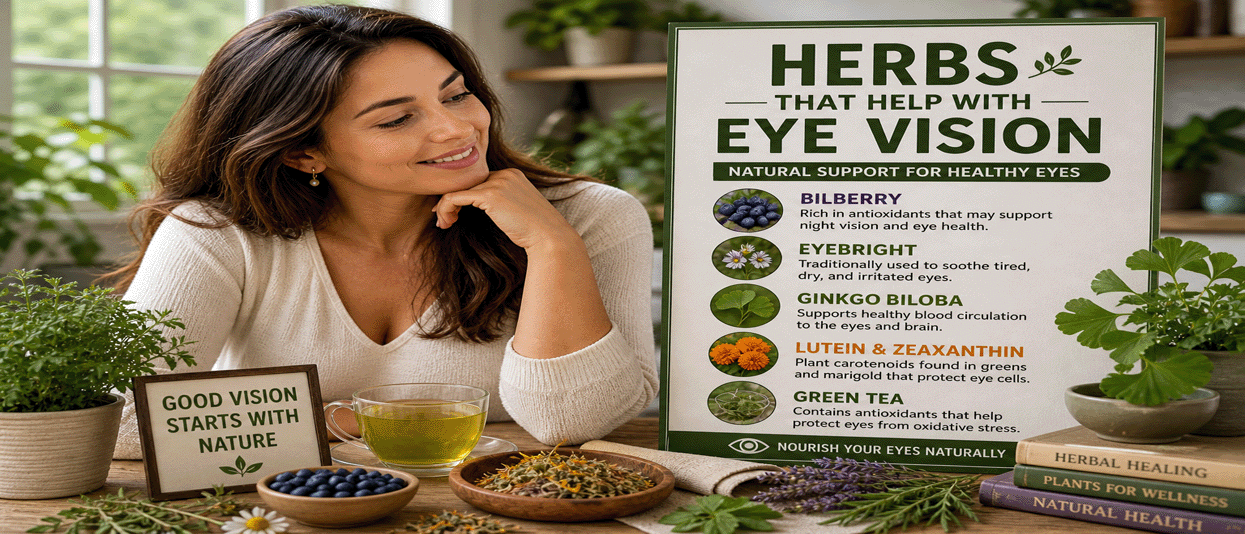
Clear vision is precious, but no herb can magically restore eyesight or cure serious eye disease. However, certain herbs, berries, and plant-based nutrients may support overall eye health, especially when combined with regular eye exams, healthy food, hydration, sleep, and protection from UV light.
The most important thing to know is this: sudden vision changes, eye pain, flashes, floaters, or blurry vision should be checked by an eye doctor immediately. Herbs may support wellness, but they should never replace medical eye care.
1. Bilberry
Bilberry is one of the most popular herbs associated with eye health. It contains anthocyanins, natural plant pigments that act as antioxidants.
Bilberry is often marketed for night vision, but research is mixed. The National Center for Complementary and Integrative Health notes that the strongest studies have not found bilberry to improve night vision in healthy people. Still, its antioxidant content makes it a common ingredient in eye-support formulas.
2. Eyebright
Eyebright has a long folk history as an herb for tired, irritated, or watery eyes. It is often found in teas and herbal blends.
Important safety note: do not put homemade herbal washes, teas, or tinctures directly into your eyes. Eye infections and irritation can become serious quickly. Use only sterile eye products approved for eye use.
3. Ginkgo Biloba
Ginkgo is often used to support circulation and cognitive wellness. Because healthy blood flow matters for eye tissues, some people explore ginkgo for vision support.
Use caution: ginkgo may increase bleeding risk and may interact with blood thinners, aspirin, surgery, and some medications.
4. Green Tea
Green tea contains catechins, which are antioxidant plant compounds. Drinking green tea may support general wellness and provide antioxidants that help protect cells from oxidative stress.
Brewed green tea is usually very different from concentrated green tea extract. High-dose extracts may carry safety concerns and should be used only with professional guidance.
5. Turmeric
Turmeric contains curcumin, a plant compound studied for antioxidant and inflammation-supporting effects. It may support whole-body wellness, which can indirectly support healthy eyes.
Turmeric supplements may interact with medications or increase bleeding risk in some people, especially before surgery.
6. Saffron
Saffron has been studied for possible support in certain eye-health areas, including age-related macular concerns. It is usually used in tiny culinary amounts, but supplement-level use should be discussed with a healthcare professional.
7. Marigold / Calendula
Marigold flowers are a natural source used to produce lutein and zeaxanthin, two carotenoids strongly associated with macular health. These nutrients are also found in leafy greens and colorful vegetables.
The National Eye Institute reports that AREDS2 supplements containing lutein and zeaxanthin may help slow vision loss in people with intermediate age-related macular degeneration, but they do not prevent early AMD from developing.
Best Plant Foods for Eye Vision Support
- Spinach
- Kale
- Collard greens
- Parsley
- Broccoli
- Orange peppers
- Carrots
- Blueberries and bilberries
Herbal Safety Tips for Eye Health
- Do not put non-sterile herbal teas or homemade remedies in your eyes.
- Ask your eye doctor before using supplements for glaucoma, macular degeneration, cataracts, or diabetic eye disease.
- Be cautious with herbs that affect bleeding, including ginkgo, garlic supplements, turmeric supplements, and high-dose ginger.
- Choose food-based eye nutrients first when possible.
- Get regular dilated eye exams, especially if you have diabetes, high blood pressure, AMD, glaucoma risk, or sudden vision changes.
Final Thoughts
Herbs that may support eye vision include bilberry, eyebright, ginkgo, green tea, turmeric, saffron, and calendula-based lutein sources. But the strongest eye-health support often comes from a complete lifestyle: leafy greens, colorful vegetables, omega-3 foods, hydration, sun protection, and regular eye care.
Herbs can support healthy habits, but they should not replace professional treatment for serious eye conditions.
Herb Related Articles