

Herbs That May Support Eye Vision and Healthy Eyes

Clear vision is precious, but no herb can magically restore eyesight or cure serious eye disease. However, certain herbs, berries, and plant-based nutrients may support overall eye health, especially when combined with regular eye exams, healthy food, hydration, sleep, and protection from UV light.
The most important thing to know is this: sudden vision changes, eye pain, flashes, floaters, or blurry vision should be checked by an eye doctor immediately. Herbs may support wellness, but they should never replace medical eye care.
1. Bilberry
Bilberry is one of the most popular herbs associated with eye health. It contains anthocyanins, natural plant pigments that act as antioxidants.
Bilberry is often marketed for night vision, but research is mixed. The National Center for Complementary and Integrative Health notes that the strongest studies have not found bilberry to improve night vision in healthy people. Still, its antioxidant content makes it a common ingredient in eye-support formulas.
2. Eyebright
Eyebright has a long folk history as an herb for tired, irritated, or watery eyes. It is often found in teas and herbal blends.
Important safety note: do not put homemade herbal washes, teas, or tinctures directly into your eyes. Eye infections and irritation can become serious quickly. Use only sterile eye products approved for eye use.
3. Ginkgo Biloba
Ginkgo is often used to support circulation and cognitive wellness. Because healthy blood flow matters for eye tissues, some people explore ginkgo for vision support.
Use caution: ginkgo may increase bleeding risk and may interact with blood thinners, aspirin, surgery, and some medications.
4. Green Tea
Green tea contains catechins, which are antioxidant plant compounds. Drinking green tea may support general wellness and provide antioxidants that help protect cells from oxidative stress.
Brewed green tea is usually very different from concentrated green tea extract. High-dose extracts may carry safety concerns and should be used only with professional guidance.
5. Turmeric
Turmeric contains curcumin, a plant compound studied for antioxidant and inflammation-supporting effects. It may support whole-body wellness, which can indirectly support healthy eyes.
Turmeric supplements may interact with medications or increase bleeding risk in some people, especially before surgery.
6. Saffron
Saffron has been studied for possible support in certain eye-health areas, including age-related macular concerns. It is usually used in tiny culinary amounts, but supplement-level use should be discussed with a healthcare professional.
7. Marigold / Calendula
Marigold flowers are a natural source used to produce lutein and zeaxanthin, two carotenoids strongly associated with macular health. These nutrients are also found in leafy greens and colorful vegetables.
The National Eye Institute reports that AREDS2 supplements containing lutein and zeaxanthin may help slow vision loss in people with intermediate age-related macular degeneration, but they do not prevent early AMD from developing.
Best Plant Foods for Eye Vision Support
- Spinach
- Kale
- Collard greens
- Parsley
- Broccoli
- Orange peppers
- Carrots
- Blueberries and bilberries
Herbal Safety Tips for Eye Health
- Do not put non-sterile herbal teas or homemade remedies in your eyes.
- Ask your eye doctor before using supplements for glaucoma, macular degeneration, cataracts, or diabetic eye disease.
- Be cautious with herbs that affect bleeding, including ginkgo, garlic supplements, turmeric supplements, and high-dose ginger.
- Choose food-based eye nutrients first when possible.
- Get regular dilated eye exams, especially if you have diabetes, high blood pressure, AMD, glaucoma risk, or sudden vision changes.
Final Thoughts
Herbs that may support eye vision include bilberry, eyebright, ginkgo, green tea, turmeric, saffron, and calendula-based lutein sources. But the strongest eye-health support often comes from a complete lifestyle: leafy greens, colorful vegetables, omega-3 foods, hydration, sun protection, and regular eye care.
Herbs can support healthy habits, but they should not replace professional treatment for serious eye conditions.
Herb Related Articles
Herbs of the Pacific Northwest That May Support Healthy Weight Loss

The Pacific Northwest is rich with forests, berries, roots, wild greens, and traditional plant wisdom. But when it comes to weight loss, it is important to be honest: no herb safely melts fat overnight.
The real value of herbs is support. Certain Pacific Northwest herbs and native plant allies may help with digestion, hydration, cravings, mineral intake, bitter flavor balance, and healthier food choices.
Important Safety Note
Herbs can interact with medications, pregnancy, breastfeeding, blood pressure, blood sugar, liver conditions, and allergies. Always speak with a qualified healthcare professional before using herbs medicinally, especially if you take prescription medication.
1. Stinging Nettle
Stinging nettle is one of the most respected wild greens in the Pacific Northwest. Once dried or cooked, the sting disappears and the leaves can be used in tea, soups, or mineral-rich herbal blends.
Nettle does not cause weight loss directly, but it may support a healthy lifestyle by replacing sugary drinks, adding minerals, and encouraging hydration.
2. Dandelion
Dandelion grows almost everywhere in the Northwest. The leaves are bitter, the roots are earthy, and both are commonly used in herbal teas.
Dandelion may support digestion and reduce reliance on sweet drinks when used as a tea. It is often included in wellness routines because bitter herbs can help signal the body to prepare for digestion.
3. Oregon Grape Root
Oregon grape is a native Northwest plant known for its yellow flowers and blue berries. The root contains bitter plant compounds and has a long history in regional herbal traditions.
For weight management, Oregon grape is best understood as a bitter digestive herb—not a fat burner. It should be used cautiously and avoided during pregnancy unless approved by a professional.
4. Peppermint
Peppermint is not unique to the Pacific Northwest, but it grows well in Northwest gardens and is one of the easiest herbs to use daily.
Peppermint tea may help reduce snacking by giving you a flavorful, calorie-free drink after meals. It may also support digestive comfort.
5. Huckleberry
Huckleberries are a beloved Pacific Northwest wild food. While technically a berry rather than an herb, they belong in a Northwest weight-support article because they can replace processed sweets with a naturally flavorful fruit.
Huckleberries can be used in smoothies, oatmeal, teas, sauces, and healthy desserts when used without excess sugar.
6. Salal Berry
Salal is another traditional Northwest berry plant. Its berries are dark, sweet, and historically used as food.
Like huckleberry, salal may support healthier eating by offering a wild-food alternative to candy, pastries, and processed snacks.
7. Douglas Fir Tips
Young Douglas fir tips are sometimes used in teas, syrups, and seasonal recipes. They have a bright, citrus-like forest flavor.
As a weight-support herb, Douglas fir tip tea may help replace high-calorie drinks with a fragrant, sugar-free herbal beverage.
How to Use These Herbs for Healthy Weight Habits
- Drink unsweetened herbal tea instead of soda or sweet coffee drinks.
- Use bitter herbs before meals only with professional guidance.
- Add wild berries to oatmeal instead of processed sugar.
- Use peppermint tea after dinner to reduce late-night snacking.
- Focus on fiber-rich meals, protein, movement, sleep, and hydration.
Herbs to Avoid for Weight Loss
Be careful with weight loss supplements that promise fast results. Some products contain stimulants or hidden ingredients. Herbs and supplements such as ephedra, bitter orange, and high-dose green tea extract may carry safety risks and should not be used casually for weight loss.
Final Thoughts
Herbs of the Pacific Northwest can support a healthier lifestyle, but they should not be treated like miracle weight loss cures. Nettle, dandelion, peppermint, Oregon grape, huckleberry, salal, and Douglas fir tips are best used as part of a bigger wellness plan.
The safest and most effective approach is simple: eat nourishing foods, move your body, sleep well, stay hydrated, reduce processed sugar, and use herbs as gentle support along the way.
Herb Related Articles
Herbs That May Support Cancer Patients: Safety, Benefits, and What to Avoid
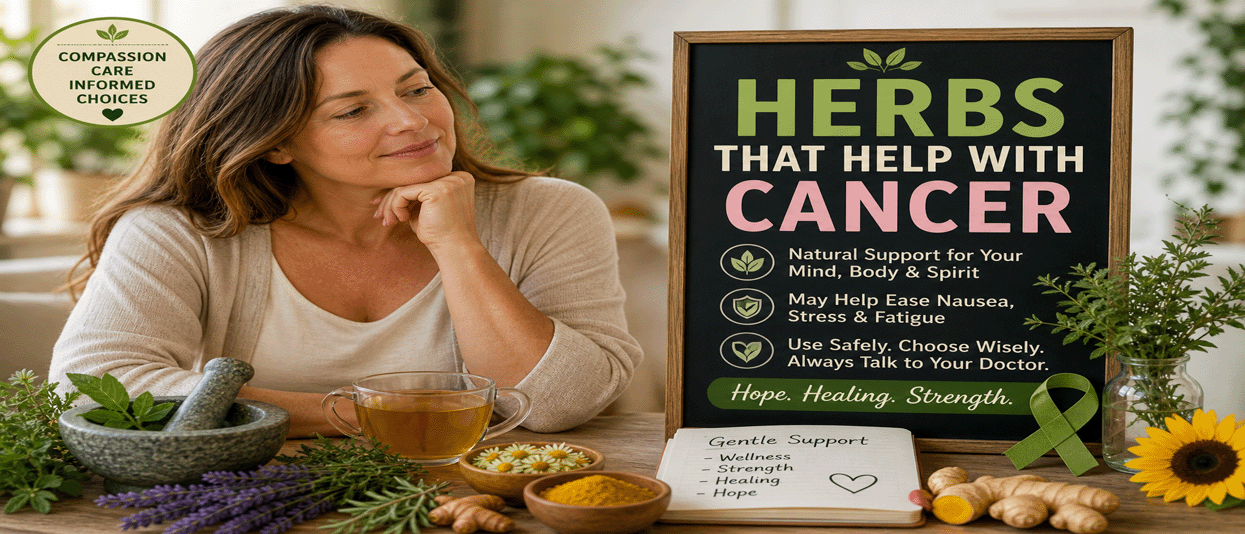
Important: No herb has been proven to cure cancer. Herbs and supplements can interact with chemotherapy, radiation, surgery, immunotherapy, and prescription medications. Always talk with your oncology team before using herbs medicinally.
Many people search for herbs that help with cancer because they want comfort, strength, fewer side effects, or a more natural way to support the body during treatment. That desire is understandable. But cancer care is one area where herbs must be used with extra caution.
According to the National Cancer Institute, herbs and dietary supplements can change how cancer drugs are absorbed, metabolized, or removed from the body. Memorial Sloan Kettering also warns that people undergoing cancer treatment should not take dietary supplements unless prescribed by a doctor or used in an approved clinical trial.
This guide focuses on herbs that may support comfort and wellness—not herbs that claim to cure cancer.
Can Herbs Help With Cancer?
Herbs may help some cancer patients manage treatment-related discomforts such as nausea, appetite changes, sleep problems, stress, inflammation, and digestive upset. However, herbs should be viewed as supportive care, not cancer treatment.
The American Cancer Society states that no supplement has been proven effective as the sole treatment or cure for cancer. A safe integrative plan should include your cancer care team, your medications, your diagnosis, and your treatment schedule.
Herbs That May Support Cancer Patients
1. Ginger for Nausea Support
Ginger is often used for nausea and digestive discomfort. Some cancer patients use ginger tea, ginger candies, or small amounts of fresh ginger to help settle the stomach.
Use caution: Ginger may affect bleeding risk in high doses, especially before surgery or with blood thinners.
2. Turmeric for Inflammation Support
Turmeric: Contains the active compound curcumin, which has been studied for its ability to reduce inflammation and inhibit tumor growth in breast, lung, and colorectal cancers. Some preliminary cancer-related studies suggest potential quality-of-life benefits, but evidence is not strong enough to use turmeric as cancer treatment.
Use caution: Turmeric supplements may interact with medications and may not be appropriate before surgery or with certain treatments.
3. Peppermint for Digestive Comfort
Peppermint tea may help some people with mild digestive discomfort, bloating, or queasiness.
Use caution: Peppermint may worsen reflux or heartburn in some people.
4. Chamomile for Relaxation
Chamomile tea is commonly used for relaxation and sleep routines. For some patients, it may provide a calming nighttime ritual.
Use caution: Chamomile may interact with blood thinners and may trigger allergic reactions in people sensitive to ragweed-family plants.
5. Green Tea for Antioxidants
Green tea contains catechins, which are antioxidant plant compounds. Some studies have explored green tea in relation to cancer risk and recurrence, but findings remain mixed.
Use caution: Green tea extracts are much stronger than brewed tea and may interact with treatments or affect the liver.
6. Milk Thistle for Liver Support
Milk thistle is commonly used for liver-related support. Memorial Sloan Kettering notes that it has been used for liver problems, but not all claimed uses are proven.
Use caution: Cancer patients should not take milk thistle supplements without oncology approval because it may affect how drugs are processed.
7. Cayenne Pepper: Contains capsaicin, which is being researched for its potential to induce apoptosis (programmed cell death) in cancer cells.
8. Oregano and Thyme: Both contain carvacrol, a molecule that may help slow the spread of cancer cells.
9. Rosemary: Rich in carnosic and rosmarinic acids, which act as strong antioxidants to protect cells from damage.
Supportive and Alternative Herbs
Some herbs are used primarily for immune support or symptom management during conventional treatment:
- Astragalus: Used in traditional medicine to boost the immune system and potentially reduce the side effects of certain chemotherapy drugs.
- Ginseng: Often used to help manage cancer-related fatigue and improve general well-being during treatment.
- Echinacea: Known for its immune-enhancing effects, it may help patients handle the immune-weakening effects of chemotherapy and radiation.
- Mistletoe Extract: Used in some integrative therapies to improve quality of life and reduce fatigue and nausea.
Herbs and Supplements Cancer Patients Should Be Careful With
Some herbs may reduce treatment effectiveness, increase bleeding risk, stress the liver, or interact with cancer medications.
- St. John’s wort: May make certain cancer drugs less effective.
- Kava: Linked to potential liver damage.
- High-dose green tea extract: May affect the liver and treatment response.
- Garlic supplements: May increase bleeding risk in high doses.
- Ginkgo biloba: May increase bleeding risk.
- Essiac tea: Often marketed for cancer, but human evidence is not conclusive.
- Apricot kernels/laetrile/B17: Not proven to treat cancer and may cause cyanide poisoning.
Questions to Ask Your Oncology Team
- Is this herb safe with my specific cancer treatment?
- Should I stop this herb before surgery or radiation?
- Could this herb affect bleeding, liver function, or immune response?
- Is brewed tea safer than capsules or extracts?
- What dose, if any, is appropriate for me?
Safer Ways to Use Herbs During Cancer Care
- Use culinary amounts in food unless your doctor says otherwise.
- Avoid concentrated extracts unless approved by your care team.
- Keep a written list of all herbs, vitamins, and supplements.
- Bring supplement bottles to appointments.
- Stop anything your oncology team says could interfere with treatment.
Final Thoughts
Herbs can be comforting, nourishing, and meaningful during cancer care, but they must be used wisely. Ginger tea, chamomile, peppermint, turmeric in food, and other gentle herbs may support comfort for some people, but supplements are not harmless just because they are natural.
The safest path is simple: never use herbs as a replacement for cancer treatment, never trust “miracle cure” claims, and always ask your oncology team before using herbal supplements.
Herb Related Articles
Herbs of the Southwest: Desert Plants With Powerful Traditional Uses
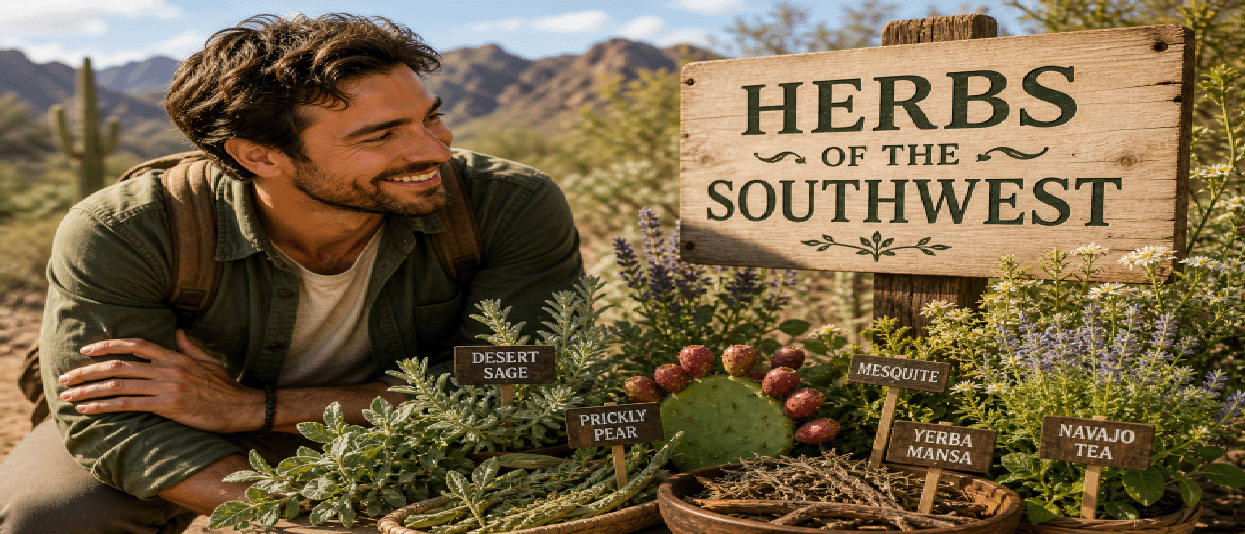
The American Southwest is a land of heat, stone, wind, red earth, and surprisingly powerful plants. In deserts, canyons, mesas, and dry riverbeds, herbs have adapted to survive harsh sunlight, little rain, and extreme temperatures.
These hardy plants are more than beautiful desert survivors. Many Southwest herbs have been used for generations in food, teas, cleansing rituals, traditional wellness practices, and natural home remedies.
This guide explores some of the most well-known herbs of the Southwest, their traditional uses, and how they connect people to the healing wisdom of the desert.
What Makes Southwest Herbs Unique?
Southwest herbs often grow in dry, rugged environments. Because of this, many develop strong aromas, protective oils, deep roots, and concentrated plant compounds.
These qualities make desert herbs especially interesting for herbalists, cooks, gardeners, and natural wellness enthusiasts.
1. Desert Sage
Desert sage is one of the most recognizable plants of the Southwest. Its silvery leaves and earthy aroma have made it important in cleansing, protection, and traditional wellness practices.
Sage is often associated with purification, clarity, and sacred spaces. However, it should be used respectfully, especially when connected to Indigenous traditions.
2. Yerba Mansa
Yerba mansa is a powerful traditional Southwest herb often found near wetland areas, springs, and riverbeds. It has been used historically in teas, washes, and herbal preparations.
Many herbalists value yerba mansa for its strong earthy scent and long history in regional folk medicine.
3. Creosote Bush
Creosote bush, also known as chaparral, is one of the most iconic desert plants. After rain, it releases a strong, fresh desert scent that many people associate with the Southwest.
Although creosote has a long history of traditional use, it must be approached with caution. Internal use can be unsafe and should only be considered with expert guidance.
4. Prickly Pear Cactus
Prickly pear cactus is both food and traditional plant medicine. Its pads, called nopales, and its colorful fruit are used in many Southwest and Mexican dishes.
Prickly pear is known for fiber, hydration, and nutrients. It is often used in juices, jams, salads, and cooked meals.
5. Mesquite
Mesquite trees produce long seed pods that can be dried and ground into naturally sweet flour. Mesquite flour has a nutty, caramel-like flavor and has been used as a traditional desert food source.
Mesquite is valued for its food uses, shade, survival benefits, and deep connection to desert life.
6. Epazote
Epazote is a strong-flavored herb commonly used in Southwestern and Mexican cooking, especially with beans. Its bold taste is earthy, sharp, and unmistakable.
Because epazote can be very potent, it should be used in culinary amounts only and avoided in concentrated forms unless guided by a qualified professional.
7. Mexican Oregano
Mexican oregano is different from Mediterranean oregano. It has a more citrusy, earthy flavor and is commonly used in chili, beans, stews, salsa, and roasted meats.
This herb is a favorite in Southwest kitchens because it adds depth and warmth to bold desert-inspired dishes.
8. Juniper
Juniper grows across many dry and mountainous parts of the Southwest. Its berries, leaves, and wood have been used in traditional practices, cooking, and aromatic rituals.
Juniper is often associated with protection, cleansing, and endurance.
9. Navajo Tea
Navajo tea, also called greenthread, is a traditional herbal tea plant of the Southwest. It produces a mild, earthy tea and has long been enjoyed as a regional beverage.
It is one of the most beloved traditional tea herbs connected to Southwestern culture.
10. Desert Lavender
Desert lavender is an aromatic shrub with fragrant leaves and purple blooms. It attracts pollinators and has been used traditionally in teas and aromatic preparations.
Its scent brings a gentle floral note to the rugged desert landscape.
How Southwest Herbs Are Used
- Cooking: Mexican oregano, epazote, mesquite flour, prickly pear, and nopales
- Tea: Navajo tea, desert lavender, and select traditional herbs
- Aromatics: sage, juniper, creosote, and desert lavender
- Spiritual practices: cleansing, grounding, protection, and seasonal rituals
- Gardening: drought-tolerant landscaping and pollinator gardens
Important Safety Note
Some Southwest herbs are powerful and may not be safe for everyone. Certain plants can interact with medications, pregnancy, liver conditions, allergies, or existing health issues. Never ingest wild plants unless you are 100% certain of their identity and safety.
When exploring desert herbs, use trusted sources, buy from reputable suppliers, and consult a qualified herbalist or healthcare professional before using herbs medicinally.
Final Thoughts
The herbs of the Southwest tell a story of survival, tradition, flavor, and sacred connection to the land. From desert sage and yerba mansa to mesquite, prickly pear, Mexican oregano, and Navajo tea, these plants offer a unique window into the natural wisdom of the desert.
Whether you are interested in herbal remedies, desert cooking, spiritual cleansing, or drought-tolerant gardening, Southwest herbs bring beauty, strength, and ancient plant knowledge into modern life.
Herb Related Articles
Mesquite Tree Flour: The Sweet, Nutty Superfood You Need to Try
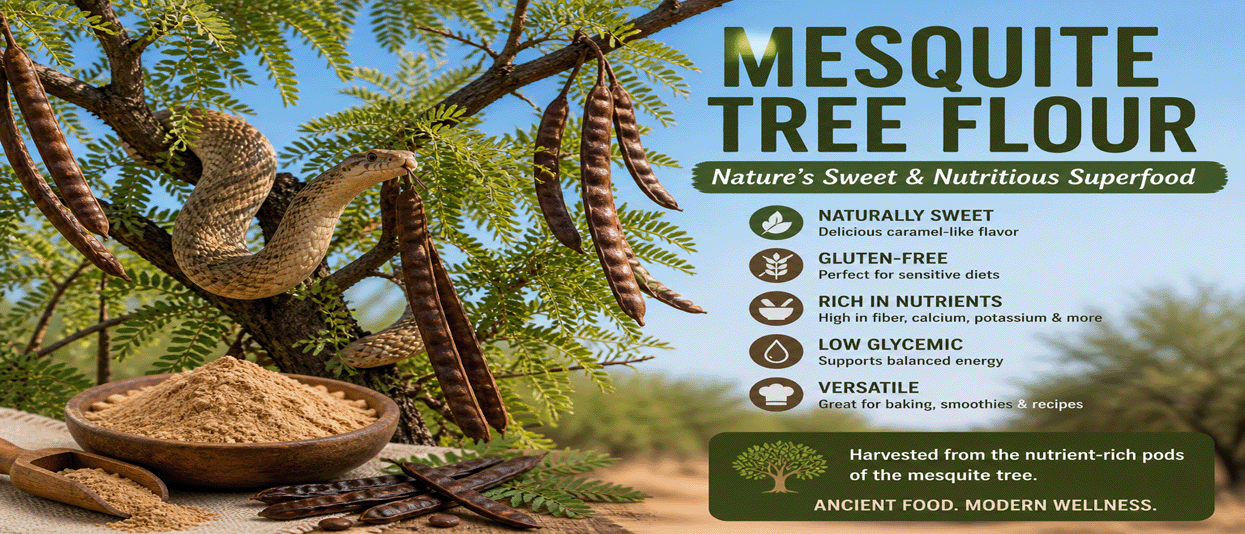
Hidden in the dry landscapes of the Southwest grows a powerful, nutrient-rich ingredient that has been used for centuries—mesquite tree flour. Made from the dried pods of mesquite trees, this naturally sweet flour offers a unique flavor and a surprising range of health benefits.
With its caramel-like taste, low glycemic impact, and rich mineral content, mesquite flour is gaining popularity as a gluten-free, natural sweetener and baking ingredient.
What Is Mesquite Tree Flour?
Mesquite flour is made by grinding the long seed pods of the mesquite tree into a fine powder. Unlike traditional flours made from grains, mesquite flour comes from a legume pod, making it naturally gluten-free.
The pods are harvested, dried, and milled into a soft, aromatic flour that has been used by Indigenous cultures for generations as a staple food source.
Why Mesquite Flour Stands Out
Mesquite flour is not just another alternative flour—it offers a combination of flavor and nutrition that makes it unique.
- Naturally sweet: No added sugar needed in many recipes
- Gluten-free: Ideal for gluten-sensitive diets
- Low glycemic index: Helps support stable energy levels
- Rich in fiber: Supports digestion and fullness
- Mineral content: Contains calcium, magnesium, potassium, and iron
The Flavor Profile: Sweet Meets Smoky
One of the biggest surprises about mesquite flour is its taste. It has a naturally sweet, slightly smoky flavor often compared to caramel, molasses, or cocoa.
This makes it perfect for both sweet and savory recipes—especially baked goods, smoothies, and even spice rubs.
Health Benefits of Mesquite Flour
1. Supports Balanced Energy
Mesquite flour has a low glycemic index, meaning it digests slowly and helps prevent rapid blood sugar spikes.
2. High in Fiber
Its fiber content supports digestion, gut health, and helps you feel full longer.
3. Naturally Nutrient-Dense
Mesquite flour contains essential minerals that support overall wellness and daily nutrition.
4. A Natural Sweetener Alternative
Because it is naturally sweet, mesquite flour can reduce the need for added sugars in recipes.
How to Use Mesquite Flour
Mesquite flour is not typically used as a full replacement for regular flour. Instead, it works best when blended with other flours.
General rule: Use 10–25% mesquite flour in recipes.
Popular Uses
- Cookies, muffins, and pancakes
- Smoothies and protein shakes
- Homemade energy bars
- Gluten-free baking blends
- Coffee or hot chocolate flavor enhancer
Simple Mesquite Flour Recipe Idea
Mesquite Banana Muffins
- 1 cup regular or gluten-free flour
- 1/4 cup mesquite flour
- 2 ripe bananas
- 2 eggs
- 1/3 cup honey or maple syrup
- 1 tsp baking soda
Mix ingredients, bake at 350°F (175°C) for 18–22 minutes, and enjoy a naturally sweet, nutrient-rich treat.
Is Mesquite Flour Safe for Everyone?
Mesquite flour is generally considered safe for most people, but like any new food, it should be introduced gradually. People with legume allergies should use caution.
Always choose high-quality, food-grade mesquite flour from trusted sources.
Why Mesquite Flour Is a Rising Superfood
As more people look for natural, nutrient-dense, and gluten-free alternatives, mesquite flour stands out as a powerful option. It offers flavor, history, sustainability, and health benefits all in one ingredient.
Whether you're baking, blending, or experimenting with new flavors, mesquite flour brings something truly unique to your kitchen.
Final Thoughts
Mesquite tree flour is more than just a trend—it’s a return to traditional, plant-based nutrition with modern appeal. Its natural sweetness, rich nutrients, and versatility make it a valuable addition to any healthy pantry.
If you’re looking to explore new superfoods, improve your baking, or reduce refined sugar, mesquite flour is definitely worth trying.
Herb Related Articles