

Herbs Safe and Toxic for Cats: A Pet Owner’s Guide to Herbal Safety
Herbs may be natural—but for cats, “natural” does not always mean safe.
Cats process plants very differently than humans. Their liver lacks certain enzymes needed to break down compounds found in many herbs. That means some herbs that are perfectly safe for people can be dangerous—even toxic—for cats.
If you love herbal living and also share your home with a cat, this guide will help you understand which herbs are safe, which ones to avoid, and how to create a pet-friendly herbal environment.
Why Cats React Differently to Herbs
Cats are obligate carnivores, meaning their bodies are designed primarily for meat-based nutrition. Unlike humans or even dogs, cats lack key liver enzymes that help break down plant oils, phenols, and essential compounds.
This is why certain herbs—especially concentrated oils—can quickly overwhelm a cat’s system.
Herbs That Are Generally Safe for Cats
Some herbs are considered safe in small amounts and may even provide enrichment or mild wellness support.
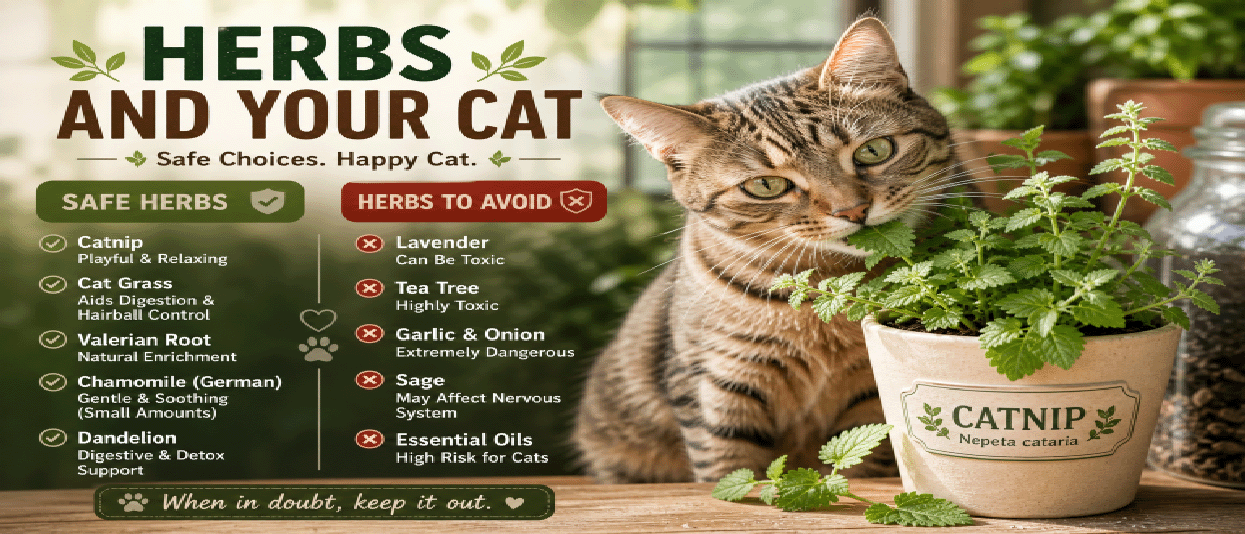
Catnip
The most famous cat-friendly herb. Catnip can stimulate playfulness or relaxation depending on the cat.
Cat Grass (Wheatgrass, Barley Grass)
Helps with digestion and may assist cats in naturally clearing hairballs.
Valerian Root
Can have an energizing or calming effect similar to catnip for some cats.
Chamomile (German Chamomile Only, Small Amounts)
May be soothing in very mild forms, but should be used cautiously and not in concentrated oils.
Dandelion (Leaves & Roots)
Occasionally used in pet-safe herbal blends for digestion and mild detox support.
Herbs That Are Toxic or Dangerous for Cats
These herbs should be avoided in your home, garden, or especially in oils, sprays, or supplements around cats.
Lavender
While calming for humans, lavender contains compounds that can be toxic to cats, especially in essential oil form.
Tea Tree (Melaleuca)
Highly toxic. Even small exposures can lead to serious poisoning symptoms.
Mint (Certain Varieties)
While mild exposure may not always be harmful, concentrated forms or certain species can cause digestive upset.
Garlic and Onion (All Allium Family)
Extremely toxic to cats. These can damage red blood cells and lead to serious health issues.
Sage
Contains compounds that may negatively affect a cat’s nervous system if ingested.
Rosemary (Large Amounts)
Small exposure is sometimes tolerated, but ingestion in larger amounts can lead to digestive problems.
Essential Oils: A Major Risk for Cats
Essential oils are one of the biggest hidden dangers. Because they are highly concentrated, even diffused oils can affect cats through inhalation or skin contact.
Oils to strictly avoid around cats include:
- Tea tree oil
- Eucalyptus oil
- Peppermint oil
- Lavender oil
- Citrus oils
Always keep diffusers out of reach and ensure proper ventilation if used at all.
Signs of Herbal Toxicity in Cats
If your cat has been exposed to a harmful herb, watch for these symptoms:
- Drooling or vomiting
- Lethargy or weakness
- Tremors or shaking
- Difficulty breathing
- Loss of coordination
If you notice any of these signs, contact a veterinarian immediately.
How to Create a Cat-Safe Herbal Home
- Keep herbs and plants out of reach unless verified safe
- Avoid using essential oil diffusers in closed spaces
- Grow cat-safe herbs like catnip or cat grass for enrichment
- Never give herbal supplements without veterinary guidance
- Check labels on sprays, cleaners, and natural products
Final Thoughts
Living a natural, herbal lifestyle doesn’t mean putting your pets at risk. With a little knowledge, you can enjoy herbs while keeping your cat safe and healthy.
When in doubt, always choose caution. Your cat depends on you to create a safe environment—and understanding which herbs are safe and toxic is one of the most important steps you can take.
Herb Related Articles
Herbal Medicine Guide: Top Healing Herbs You Should Use Daily

Herbs have been used for generations to support wellness, comfort the body, and create simple daily rituals for better health. From a warm cup of chamomile tea at night to fresh basil in a meal, herbs can become an easy and natural part of everyday living.
This herbal medicine guide explores top healing herbs you can use daily to support digestion, relaxation, sleep, energy, immunity, and overall balance. Herbs are not a replacement for medical care, but they can be a powerful part of a healthy lifestyle when used wisely.
Why Use Healing Herbs Daily?
Daily herbs can help you build steady wellness habits. Instead of waiting until you feel run down, herbs can be used as part of a regular routine to nourish the body and calm the mind.
Many healing herbs contain natural plant compounds such as antioxidants, essential oils, minerals, and phytonutrients. These compounds may support the body in gentle ways while adding flavor, aroma, and comfort to your day.
1. Ginger for Digestion and Warmth
Ginger is one of the best daily herbs for digestive support. It has a warming quality and is often used in tea, soups, smoothies, and natural wellness recipes.
Ginger may help support occasional nausea, digestive comfort, and cold-weather wellness. A cup of ginger tea in the morning or after meals can be a simple daily habit.
2. Peppermint for Fresh Energy and Digestive Comfort
Peppermint is cooling, refreshing, and easy to enjoy as tea. Many people use peppermint after meals to support digestion and reduce occasional bloating.
Its fresh aroma can also help create a feeling of clarity, making it a useful herb for midday energy.
3. Chamomile for Calm Evenings
Chamomile is a gentle herb commonly used before bedtime. A warm cup of chamomile tea can help signal the body that it is time to slow down and rest.
Chamomile is especially popular for relaxation, emotional balance, and peaceful nighttime routines.
4. Turmeric for Daily Vitality
Turmeric is a golden root often used in cooking, teas, and wellness drinks. It contains curcumin, a plant compound associated with antioxidant and inflammation-supporting properties.
Turmeric can be added to soups, rice dishes, smoothies, or golden milk for a daily wellness boost.
5. Rosemary for Focus and Flavor
Rosemary is a powerful kitchen herb with a bold aroma. Traditionally, it has been connected with memory, clarity, and protection.
Use rosemary in roasted vegetables, soups, breads, teas, and infused oils. It adds both flavor and herbal character to everyday meals.
6. Basil for Balance and Nourishment
Basil is a fresh, fragrant herb often used in sauces, salads, soups, and herbal recipes. It is associated with balance, comfort, and abundance in many traditions.
Adding basil to meals is one of the easiest ways to enjoy herbs daily.
7. Lavender for Relaxation
Lavender is valued for its calming scent. It is often used in teas, bath blends, sachets, oils, and bedtime routines.
Lavender can help create a peaceful environment and support relaxation after a busy day.
8. Lemon Balm for Mood Support
Lemon balm has a gentle citrus scent and is often used in teas for relaxation and emotional wellness. It is a wonderful herb for people who want a soft, uplifting daily ritual.
Lemon balm tea can be enjoyed in the afternoon or evening when you need a calming pause.
9. Echinacea for Seasonal Wellness
Echinacea is commonly used during cold and flu season to support immune wellness. Many people take it as tea, tincture, or capsules.
It is often used periodically rather than every day year-round, especially during times when seasonal support is needed.
10. Thyme for Respiratory and Kitchen Wellness
Thyme is a small but powerful herb used in cooking and traditional wellness. It has a warm, earthy flavor and is often added to soups, stews, roasted foods, and teas.
Thyme is a helpful daily kitchen herb that brings both flavor and natural plant benefits.
Simple Daily Herbal Routine
- Morning: Ginger tea or lemon balm tea for a gentle start.
- Midday: Peppermint tea for freshness and clarity.
- Meals: Add basil, rosemary, thyme, or turmeric to food.
- Evening: Chamomile or lavender tea for relaxation.
- Seasonal support: Use echinacea when extra immune support is desired.
Important Safety Reminder
Herbs are natural, but they are still active substances. Some herbs may interact with medications, pregnancy, allergies, or health conditions. Always research herbs carefully and speak with a qualified healthcare professional before using herbs for medical purposes.
Final Thoughts
Healing herbs can make everyday wellness feel simple, natural, and meaningful. Whether you drink herbal tea, cook with fresh herbs, grow plants at home, or create calming rituals, herbs can help you reconnect with nature and support your mind, body, and spirit.
Start with one or two herbs, learn their benefits, and build your daily herbal routine slowly. Over time, these small habits can become a powerful part of your natural wellness lifestyle.
Herb Related Articles
Ancient Herbal Wisdom: How Traditional Herbs Improve Health Naturally

Long before modern pharmacies, people turned to the earth for comfort, strength, and healing support. Roots, leaves, flowers, seeds, and bark were gathered, dried, brewed, crushed, infused, and passed down through generations as trusted natural remedies.
Ancient herbal wisdom is the understanding that plants can support the body in gentle, meaningful ways. While herbs should never replace professional medical care, many traditional herbs are still valued today for digestion, relaxation, immunity, sleep, energy, and spiritual balance.
What Is Ancient Herbal Wisdom?
Ancient herbal wisdom refers to the traditional knowledge of using plants for health and wellness. This wisdom was developed by healers, gardeners, midwives, cooks, spiritual leaders, and families who observed how different herbs affected the body and mind.
Many herbs became part of daily life because they were easy to grow, simple to prepare, and useful for common needs. A warm herbal tea, a healing salve, a cleansing bath, or a fragrant bundle of herbs could offer comfort, ritual, and support.
Why Traditional Herbs Still Matter Today
Modern wellness has returned to many ancient practices because people are looking for natural ways to feel better, reduce stress, and reconnect with the earth. Herbs offer a bridge between traditional knowledge and everyday self-care.
Traditional herbs may help support:
- Digestive comfort
- Relaxation and emotional balance
- Better sleep routines
- Seasonal immune wellness
- Natural energy and focus
- Skin and beauty rituals
- Spiritual cleansing and grounding
Popular Traditional Herbs and Their Natural Benefits
Ginger: Ancient Support for Digestion
Ginger has been used in traditional wellness practices for centuries. Its warming nature makes it popular for digestive comfort, occasional nausea, and cold-weather wellness. Ginger tea, ginger broth, and fresh ginger in meals are simple ways to enjoy this powerful root.
Peppermint: A Cooling Herb for Comfort
Peppermint has long been used after meals to help refresh the body and support digestion. Its cooling flavor also makes it useful in teas, oils, and natural wellness blends.
Chamomile: A Gentle Herb for Peace
Chamomile is one of the most beloved traditional herbs for relaxation. Many people drink chamomile tea before bed to create a calming evening ritual and support restful sleep.
Lavender: A Fragrant Herb for Calm Energy
Lavender has been used in baths, sachets, oils, teas, and spiritual rituals. Its soft floral scent is associated with peace, comfort, protection, and emotional balance.
Rosemary: A Herb of Memory and Protection
Rosemary has a long history as both a cooking herb and symbolic plant. Traditionally, it has been connected with memory, focus, purification, and protection.
Turmeric: The Golden Root of Vitality
Turmeric is known for its bright golden color and earthy taste. It contains curcumin, a plant compound often associated with antioxidant and inflammation-supporting properties.
Sage: A Cleansing Herb With Deep Roots
Sage has been valued in many traditions for cleansing, clarity, and protection. It is also used as a kitchen herb and may be found in teas, broths, and natural wellness practices.
How Herbs Improve Health Naturally
Herbs work best as part of a healthy lifestyle. They may support wellness through natural plant compounds, soothing aromas, nutritional value, and calming rituals.
For example, drinking herbal tea may help you slow down, breathe deeply, and relax. Cooking with herbs may add antioxidants and flavor without relying on excess salt or sugar. Growing herbs at home can create a stronger connection to nature and seasonal living.
The Mind, Body, and Spirit Connection
Traditional herbal wisdom often views wellness as more than the absence of discomfort. It includes emotional balance, spiritual grounding, mental clarity, and harmony with nature.
This is why herbs have been used in meditation, prayer, cleansing baths, protective sachets, moon rituals, home blessings, and seasonal ceremonies. Herbs can create a sense of intention, meaning, and renewal.
Simple Ways to Practice Herbal Wisdom at Home
- Start your morning with peppermint or ginger tea.
- Use rosemary, thyme, oregano, and basil in everyday cooking.
- Create a calming evening ritual with chamomile or lavender.
- Grow herbs in small containers near a window.
- Add dried herbs to relaxing baths or foot soaks.
- Keep a herbal journal to track what works best for your body.
Important Herbal Safety Tips
Natural does not always mean safe for everyone. Some herbs may interact with medications, affect pregnancy, trigger allergies, or be unsafe for certain health conditions. Always research herbs carefully and talk with a qualified healthcare professional before using herbs for medical concerns.
Final Thoughts
Ancient herbal wisdom reminds us that nature has always offered comfort, nourishment, and support. Traditional herbs such as ginger, peppermint, chamomile, lavender, rosemary, turmeric, and sage continue to play an important role in natural wellness today.
By learning how herbs improve health naturally, you can create simple daily rituals that support your mind, body, and spirit while reconnecting with the healing power of the earth.
Herb Related Articles
10 Powerful Herbs and Their Benefits for Mind, Body, and Spirit
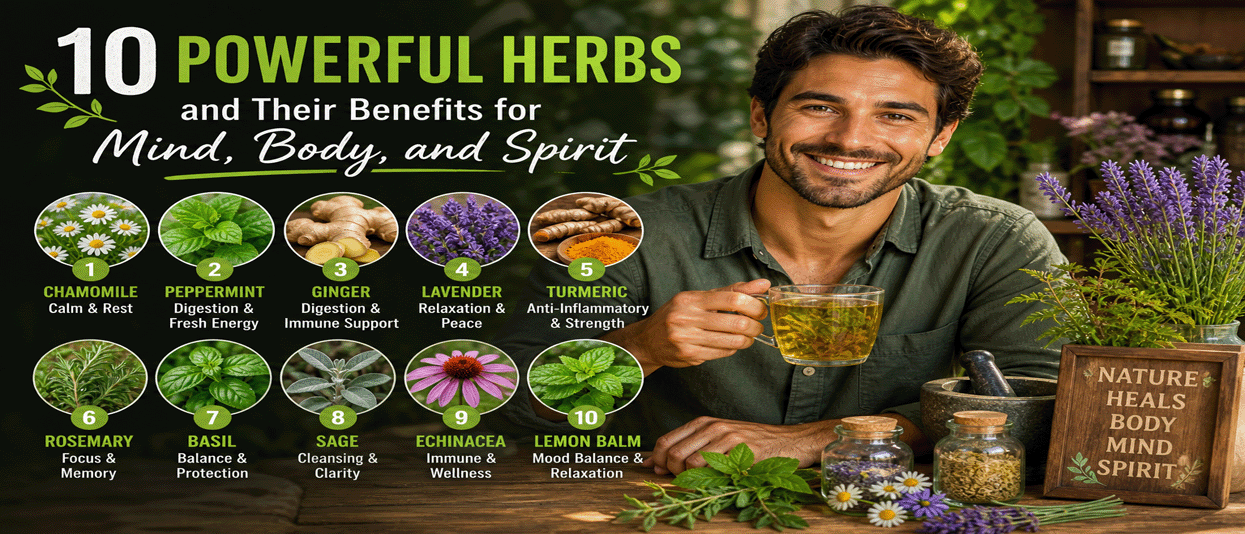
Herbs have always held a special place in human wellness. They are used in teas, foods, oils, baths, rituals, and natural remedies to support the mind, body, and spirit. From calming chamomile to energizing rosemary, herbs offer a beautiful connection between nature and everyday health.
While herbs should not replace medical care, many people use them as part of a balanced lifestyle to support relaxation, digestion, immunity, focus, emotional balance, and spiritual cleansing.
1. Chamomile: The Herb of Calm and Rest
Chamomile is one of the most popular herbs for relaxation. Often enjoyed as an evening tea, chamomile may help support calmness and a peaceful bedtime routine.
Best for: relaxation, sleep support, emotional balance, gentle comfort.
2. Peppermint: The Cooling Digestive Herb
Peppermint is refreshing, uplifting, and commonly used after meals. Its cooling qualities make it a favorite herb for digestive comfort and mental freshness.
Best for: digestion, bloating support, fresh energy, clarity.
3. Ginger: The Warming Wellness Herb
Ginger is bold, spicy, and powerful. It has been used for generations to support digestion, circulation, and seasonal wellness. Ginger tea is especially popular during cold weather.
Best for: digestion, warmth, nausea support, immune wellness.
4. Lavender: The Herb of Peace and Protection
Lavender is loved for its calming scent and beautiful purple flowers. It is often used in teas, oils, sachets, and spiritual cleansing practices.
Best for: stress relief, relaxation, sleep rituals, peaceful energy.
5. Turmeric: The Golden Herb of Strength
Turmeric is known for its bright golden color and earthy flavor. It contains curcumin, a natural plant compound often associated with antioxidant and inflammation-supporting properties.
Best for: joint support, antioxidant wellness, vitality, golden milk.
6. Rosemary: The Herb of Memory and Focus
Rosemary has a strong, earthy aroma and has long been linked with memory, protection, and mental clarity. It is also a powerful kitchen herb used in many savory dishes.
Best for: focus, memory support, cooking, cleansing energy.
7. Basil: The Herb of Blessing and Balance
Basil is more than a flavorful cooking herb. In many traditions, basil is associated with prosperity, protection, and emotional balance.
Best for: mood support, cooking, spiritual cleansing, abundance energy.
8. Sage: The Classic Cleansing Herb
Sage has a long history in both herbal wellness and spiritual cleansing. It is often used symbolically to clear stagnant energy and create a fresh atmosphere.
Best for: cleansing rituals, clarity, protection, sacred spaces.
9. Echinacea: The Seasonal Wellness Herb
Echinacea is commonly used during cold and flu season to support the body’s natural defenses. Many people take it as tea, capsules, or tinctures.
Best for: immune support, seasonal wellness, herbal tea blends.
10. Lemon Balm: The Gentle Mood Herb
Lemon balm has a light citrus scent and a gentle calming effect. It is often used to support emotional wellness, relaxation, and a brighter mood.
Best for: stress support, mood balance, relaxation, herbal tea.
How to Use Herbs Safely
Herbs may be natural, but they are still powerful. Some herbs may interact with medications, pregnancy, health conditions, or allergies. Always research each herb carefully and speak with a healthcare professional before using herbs for medical concerns.
Easy Ways to Add Herbs to Your Daily Life
- Drink herbal tea in the morning or evening.
- Add fresh herbs to soups, salads, and meals.
- Use dried herbs in natural bath blends.
- Create calming herbal sachets for your bedroom.
- Grow herbs in small pots near a sunny window.
Final Thoughts
Herbs are gifts from the earth. They can support the body, calm the mind, and add spiritual meaning to daily life. Whether you use herbs for tea, cooking, wellness, or ritual, each plant carries its own unique energy and purpose.
By learning the benefits of powerful herbs such as chamomile, peppermint, ginger, lavender, turmeric, rosemary, basil, sage, echinacea, and lemon balm, you can begin building a natural wellness practice that feels grounded, magical, and deeply connected to nature.
Herb Related Articles
The Hidden Healing Power of Herbs: Natural Remedies That Actually Work
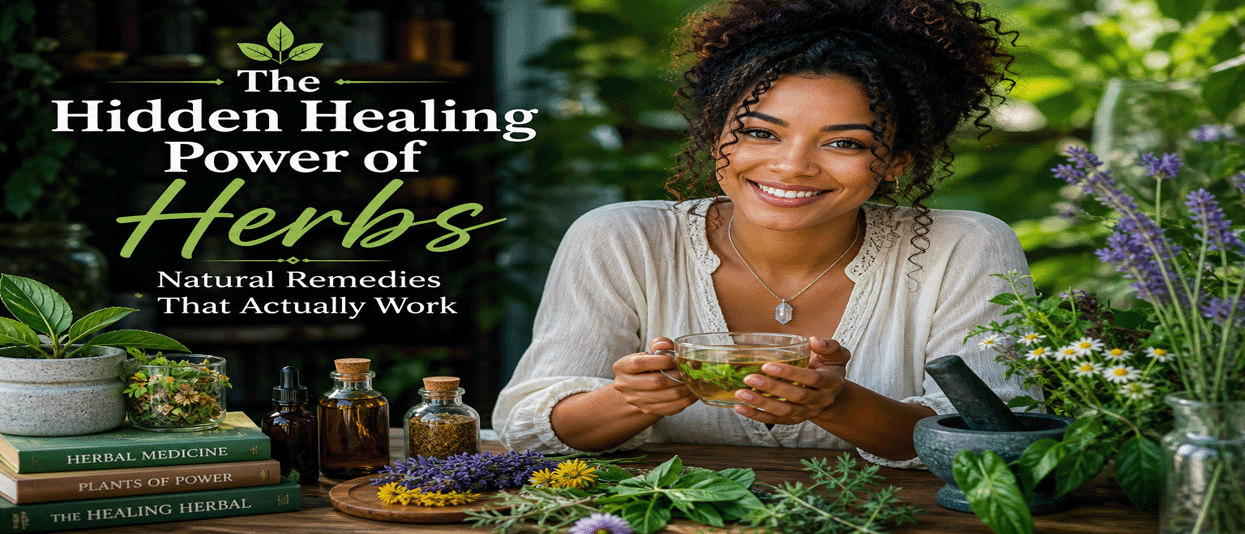
For thousands of years, herbs have been used to support health, comfort the body, calm the mind, and bring balance back into daily life. Long before modern medicine filled pharmacy shelves, people turned to plants such as peppermint, ginger, chamomile, lavender, turmeric, rosemary, and echinacea for natural support.
Today, the hidden healing power of herbs is being rediscovered by people who want gentler, more natural ways to support wellness. While herbs are not magic cures, many contain powerful plant compounds that may help with digestion, stress, sleep, inflammation, immunity, and energy.
Why Herbs Have Been Trusted for Generations
Herbs are rich in natural compounds such as antioxidants, essential oils, flavonoids, and plant nutrients. These compounds may help protect the body from oxidative stress, support healthy digestion, and promote a stronger sense of overall wellness.
Traditional herbal remedies were often passed down through families, healers, gardeners, and communities. A cup of chamomile tea before bed, ginger for an upset stomach, or peppermint after a heavy meal are simple examples of herbal wisdom still used today.
Top Healing Herbs and Their Benefits
1. Ginger for Digestion and Comfort
Ginger is one of the most popular healing herbs in the world. It is commonly used to support digestion, ease occasional nausea, and warm the body. Many people enjoy ginger tea after meals or during cold weather.
2. Peppermint for Bloating and Fresh Energy
Peppermint is known for its cooling, refreshing nature. Peppermint tea may help soothe occasional bloating and digestive discomfort. Its crisp aroma can also help create a feeling of alertness and clarity.
3. Chamomile for Relaxation and Sleep
Chamomile is often called a calming herb. It is commonly used in evening teas to support relaxation, reduce everyday tension, and prepare the body for restful sleep.
4. Turmeric for Inflammation Support
Turmeric contains curcumin, a plant compound often studied for its antioxidant and anti-inflammatory properties. Many people use turmeric in teas, soups, smoothies, and golden milk recipes.
5. Lavender for Stress Relief
Lavender is loved for its soothing scent. It is often used in teas, oils, bath blends, and sleep sprays to help create a peaceful mood and reduce everyday stress.
6. Rosemary for Focus and Memory Support
Rosemary has a bold, earthy aroma and has long been associated with remembrance and mental clarity. It is commonly used in cooking and herbal wellness routines to support focus.
7. Echinacea for Immune Support
Echinacea is one of the most recognized herbs for seasonal wellness. Many people use it during cold and flu season to support the body’s natural immune defenses.
How Herbs Support Everyday Wellness
The benefits of herbs are often best experienced through steady, mindful use. Herbal teas, tinctures, capsules, infused oils, and fresh herbs in meals can all become part of a simple wellness lifestyle.
Herbs may support:
- Healthy digestion
- Calmness and relaxation
- Better sleep routines
- Seasonal immune support
- Natural energy and focus
- Joint and inflammation support
- Skin and beauty wellness
Herbal Remedies Are Not One-Size-Fits-All
Even natural remedies should be used wisely. Some herbs may interact with medications, affect pregnancy, or cause allergic reactions in sensitive people. Before using herbs for a medical condition, it is best to speak with a qualified healthcare professional.
The safest approach is to start simple. Choose one herb, learn its benefits, understand its cautions, and see how your body responds.
Simple Ways to Add Healing Herbs to Your Life
You do not need a complicated routine to enjoy the benefits of herbs. Small daily habits can make herbal wellness easy and enjoyable.
- Drink chamomile or lavender tea before bed.
- Add ginger or turmeric to soups and smoothies.
- Use rosemary, basil, oregano, and thyme in home cooking.
- Keep peppermint tea on hand for after meals.
- Grow a small herb garden in pots or containers.
The Spiritual Side of Herbal Wellness
Herbs have always carried more than physical value. Across many cultures, herbs have been used in rituals, cleansing practices, protection traditions, and spiritual ceremonies. Sage, rosemary, lavender, basil, and mint are often associated with purification, peace, strength, and renewal.
For HerbalVoodoo.com, this connection between plant wisdom, natural healing, and spiritual energy creates a powerful foundation. Herbs are not just ingredients; they are symbols of nature’s ability to restore, awaken, and protect.
Final Thoughts
The hidden healing power of herbs is found in their simplicity. A warm cup of tea, a handful of fresh leaves, a soothing aroma, or a natural remedy passed down through generations can remind us that wellness often begins with the earth.
Whether you are exploring herbal medicine for digestion, sleep, stress relief, immunity, or spiritual balance, herbs offer a beautiful path back to nature. Used wisely, they can become part of a healthier, calmer, and more connected life.
Herb Related Articles